
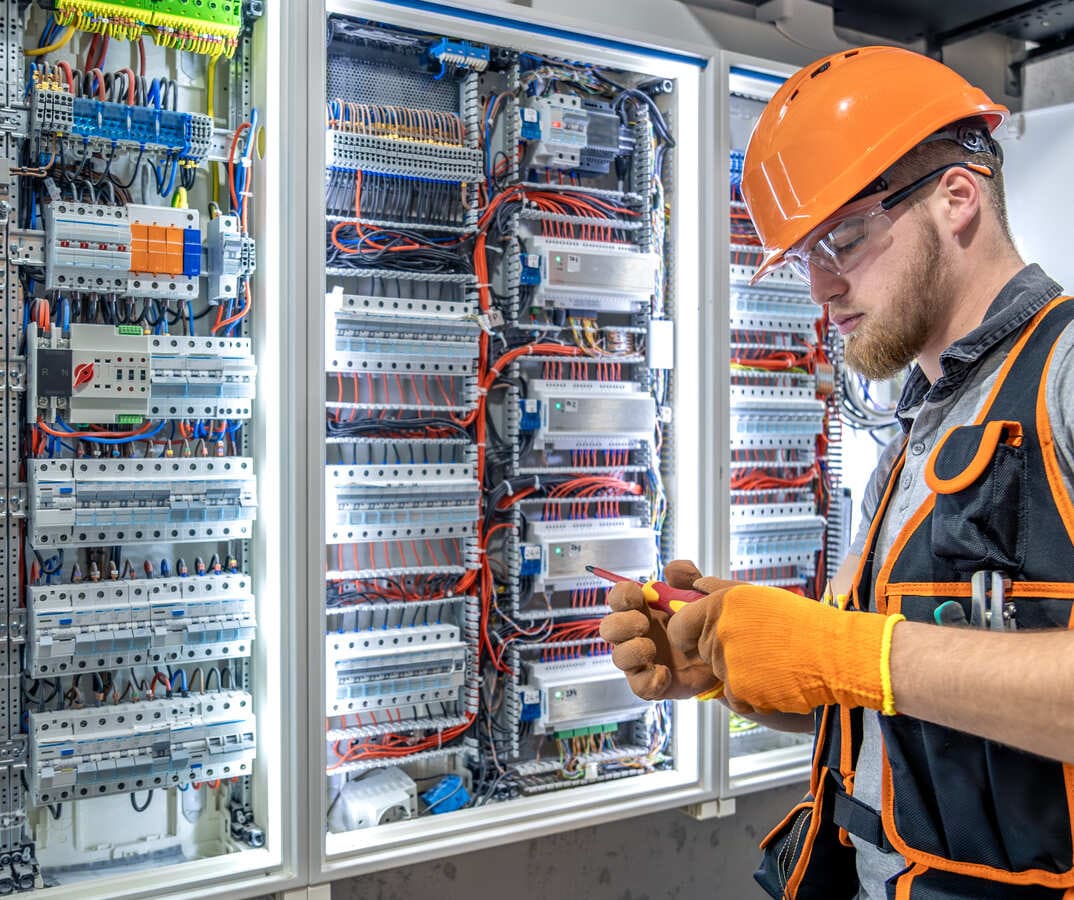
Your home’s electrical wiring is one of the most critical systems, ensuring your appliances, lighting, and devices function safely and efficiently. Over time, wiring can deteriorate, become outdated, or develop faults that pose safety hazards. But when should you have your EICR checked? Here are some key signs and situations that indicate it’s time for a professional check-up, in line with UK electrical safety standards.
1. Frequent Circuit Breaker Trips
If your circuit breaker trips often, it’s a clear indication that something isn’t right. While occasional trips can happen due to overloaded circuits, frequent tripping may suggest faulty wiring or electrical panel issues. In the UK, consumer units (fuse boxes) should comply with BS 7671: Requirements for Electrical Installations.
2. Flickering or Dimming Lights
If your lights flicker or dim, especially when you use large appliances, your wiring may not be able to handle the current load. This could be a sign of loose connections or outdated wiring that needs attention. UK wiring should meet IET Wiring Regulations, ensuring circuits are properly rated for usage.
3. Burning Smells or Discoloured Outlets
A burning smell near outlets, switches, or from your consumer unit is a serious warning sign of overheating or potential fire hazards. Discoloration around outlets could indicate that internal wiring is overheating. This could mean your wiring does not comply with the latest BS 7671 safety standards and should be inspected immediately.
4. Buzzing or Crackling Sounds
Your electrical system should operate silently. If you hear buzzing, crackling, or sizzling sounds from your outlets or switches, it’s time to have a professional electrician inspect your wiring. Loose or damaged wiring can lead to dangerous situations, such as electrical fires.
5. Outdated Wiring (Older Homes)
If your home is more than 30-40 years old and still has its original wiring, it may not meet modern UK electrical safety standards. Older homes often have outdated wiring such as rubber-insulated or aluminium wiring, which can be a fire hazard. Upgrading to modern PVC-insulated wiring ensures compliance with current regulations.
6. Warm or Shocking Outlets
Outlets and switches should never feel warm to the touch. If they do, it may indicate loose connections or faulty wiring. Similarly, if you experience a small electric shock when plugging or unplugging devices, there’s a potential risk of an electrical fault, which may require an Electrical Installation Condition Report (EICR).
7. Rodent Damage or DIY Electrical Work
Rodents can chew on wiring, leading to exposed conductors and fire hazards. Also, if you or a previous homeowner attempted DIY electrical work without proper knowledge, it’s best to have a professional inspect it for safety. In the UK, all electrical work should be carried out by a registered electrician in accordance with Part P of the Building Regulations.
How Often Should You Have an Electrical Inspection?
To comply with UK regulations, consider having a professional inspection:
- Every 10 years for privately owned homes.
- Every 5 years for rented properties (as required by the Electrical Safety Standards in the Private Rented Sector Regulations 2020).
- Before buying or selling a property.
- After any major renovations or additions.
- If you experience any of the warning signs
Conclusion
Electrical wiring issues are not something to ignore. Regular inspections help prevent fire hazards, electrical shocks, and costly repairs. If you notice any of the warning signs or if your home is due for an inspection, don’t wait—contact a NAPIT or NICEIC-registered electrician today to ensure your electrical system is safe and fully compliant with UK regulations.